I like “backcountry” canoeing, and I never would have discovered this if it wasn’t for my bum heel. My husband and I were booked to do a backcountry hike into Yoho National Park and had to cancel on the Doc’s orders. Our friends suggested that we canoe from Jasper to Hinton instead and so our adventure began.
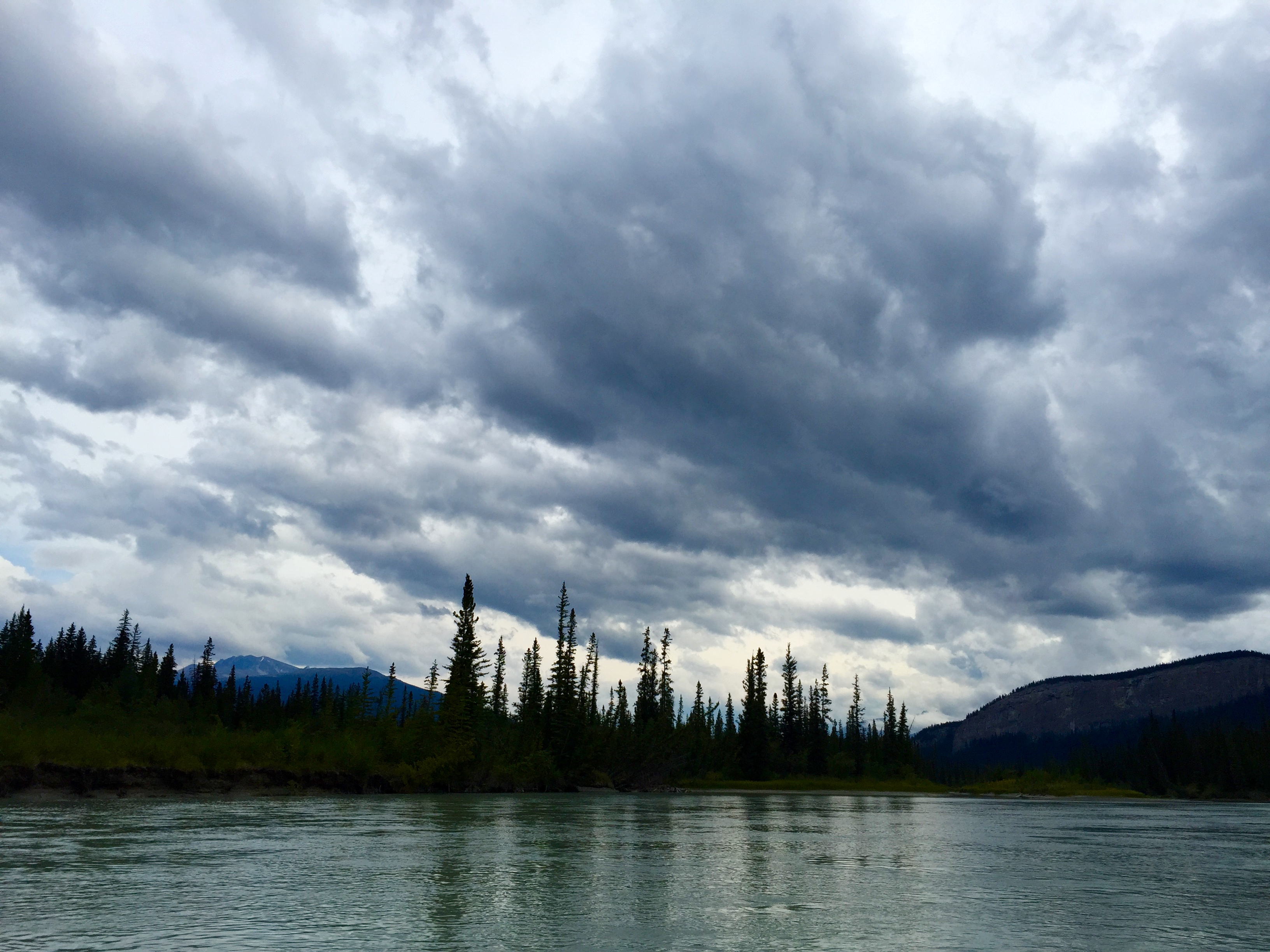
As a first time canoer, I wasn’t sure what to expect, or what to pack. I had canoed a bit with my Dad when I was a kid but nothing that required any skill, planning or schlepping gear. I got some advice from friends and researched a few blogs and this is my advice to someone who is considering a canoe trip through the mountains for the first time.
1. Camping out on a small island in the middle of the river is very cool. Despite the fact that the water is not going to keep the curious bears away, camping on an island feels safer. If you are paddling in the Canadian Rockies (or anywhere that bears inhabit), you will have to take the same precautions as if you were in a backcountry campsite. Keep your bear spray handy at all times and hang your food overnight.
2. You can bring luxuries in a canoe that you wouldn’t bring if you were carrying it on your back. We were delighted to bring a small cooler with us which meant delicious breakfasts and dinners, and most important of all… cold beer! Weight only comes into play when you are hanging your food at night so make sure your rope will support the weight of your food.
3. Neoprene socks or shoes are your best friend. I never would have thought to buy these but it was the best advice that we listened to. Mountain water is cold and when you are wet and sitting in a canoe for a couple hours, it doesn’t take long to go numb. My $15 neoprene socks, despite their lack of style, are the best footwear purchase I’ve made this year.
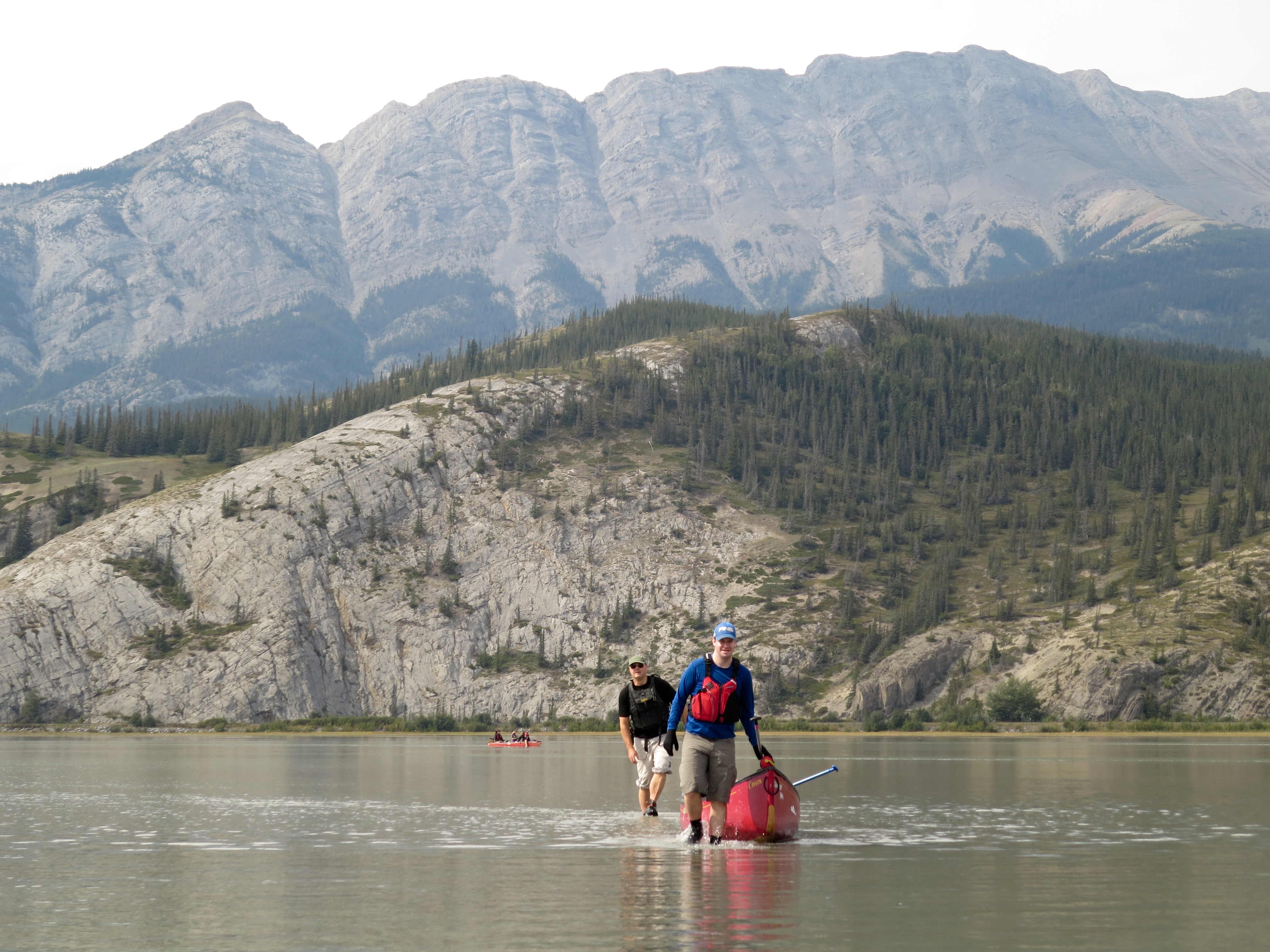
4. Be prepared for any type of weather and delay. Just as we were paddling onto a lake, we were hit by furious wind gusts that nearly capsized our canoe. We made it to shore only to find ourselves in sand dunes, forced to setup camp in a sand storm about 8km from our intended campsite. We were only a couple miles from the highway but had no way to get there with our gear, or get back to our vehicles. Our only choice was to wait it out until the wind calmed down so we could head back out onto the lake. The wind howled all night and we were treated to a spray of sand in our faces every time a wind gust snuck up the fly of our tent and through the mesh ceiling. Luckily, the wind died down for a couple hours in the early morning and we were able to paddle to the end of the lake before it started up again. Although it can be a pain to carry extra food, it is definitely worth it if you find yourself stuck, stranded or delayed.
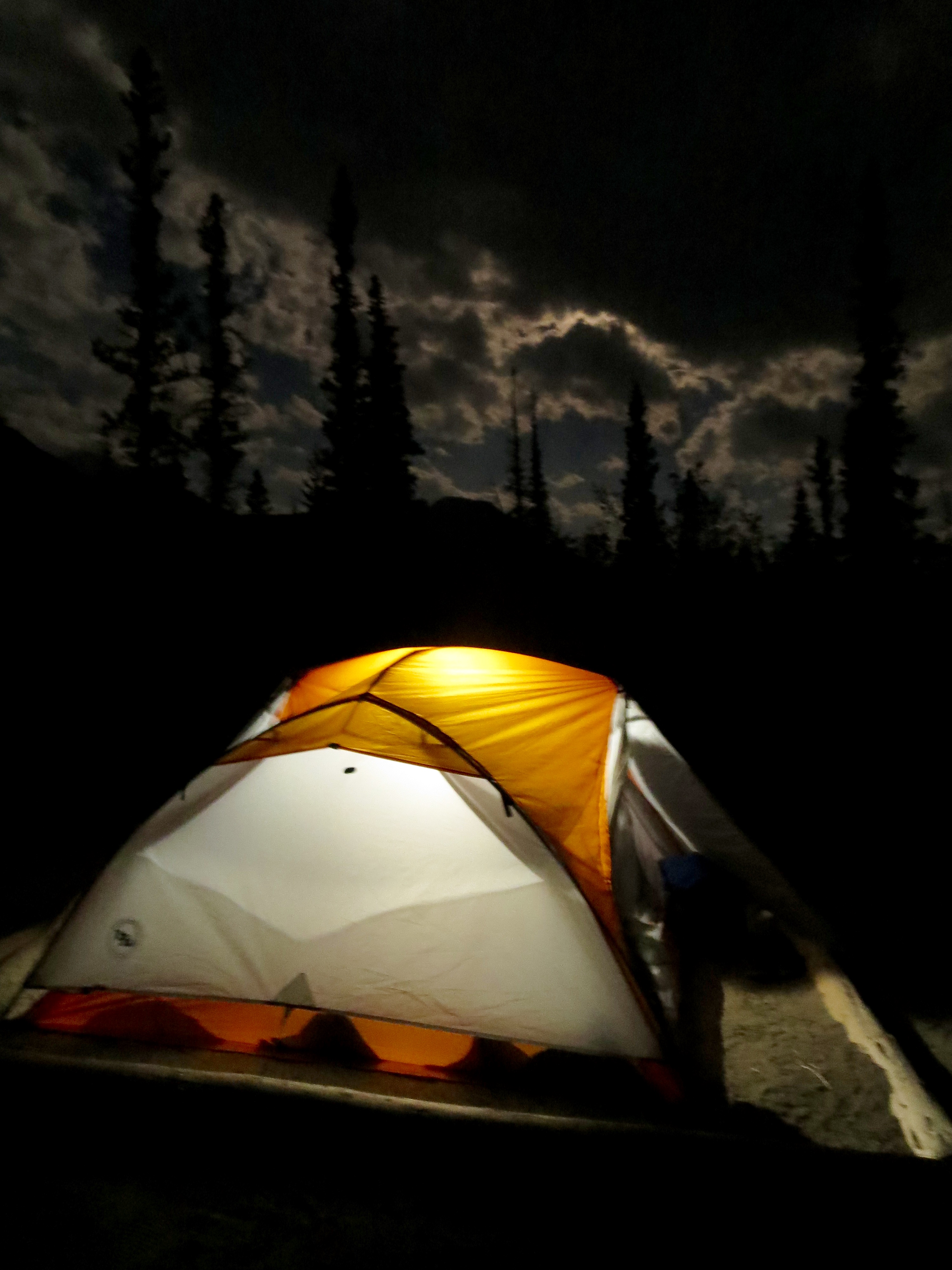
5. Keep EVERYTHING in waterproof bags/containers that you don’t want to get wet because everything WILL get wet. There are some amazing dry bags and barrels out there but if you want to try out canoeing without spending the cash on all the gear, put your stuff in Ziploc bags and garbage bags. Line your duffel or backpack with a garbage bag and for anything that you really want dry, double or even triple bag it. I felt comfortable doing this with most of our stuff but did splurge for an air-tight Pelican case for our cameras.
6. Speaking of everything getting wet, that also includes you. Even if you are paddling on the calmest lake, you are going to get wet at some point. On a warm day, this might be welcome but if the wind picks up, it starts to rain or the temperature drops, you will want rain gear. Bring a full extra set of clothes and shoes to change into at the end of the day (and make sure you pack it in a dry bag).
7. Buy a 15-20 dry bag to keep handy while you are paddling. It should be big enough to hold a few snacks, a warm/dry layer, your rain gear, camera and any other little necessities you’d like to have handy. If you are smart, all of your gear will be tightly strapped into the canoe which means you won’t be able to dig things out until you head to shore at the end of the day.
8. Bring lots of rope and carbiners. I mentioned that your gear should be strapped down in the canoe. If your canoe capsizes, you will be very thankful that your sleeping gear or food doesn’t float away. Where the carbiners come in handy is for your water bottle, your small dry bag and any other smaller items you want to keep handy while you’re paddling.
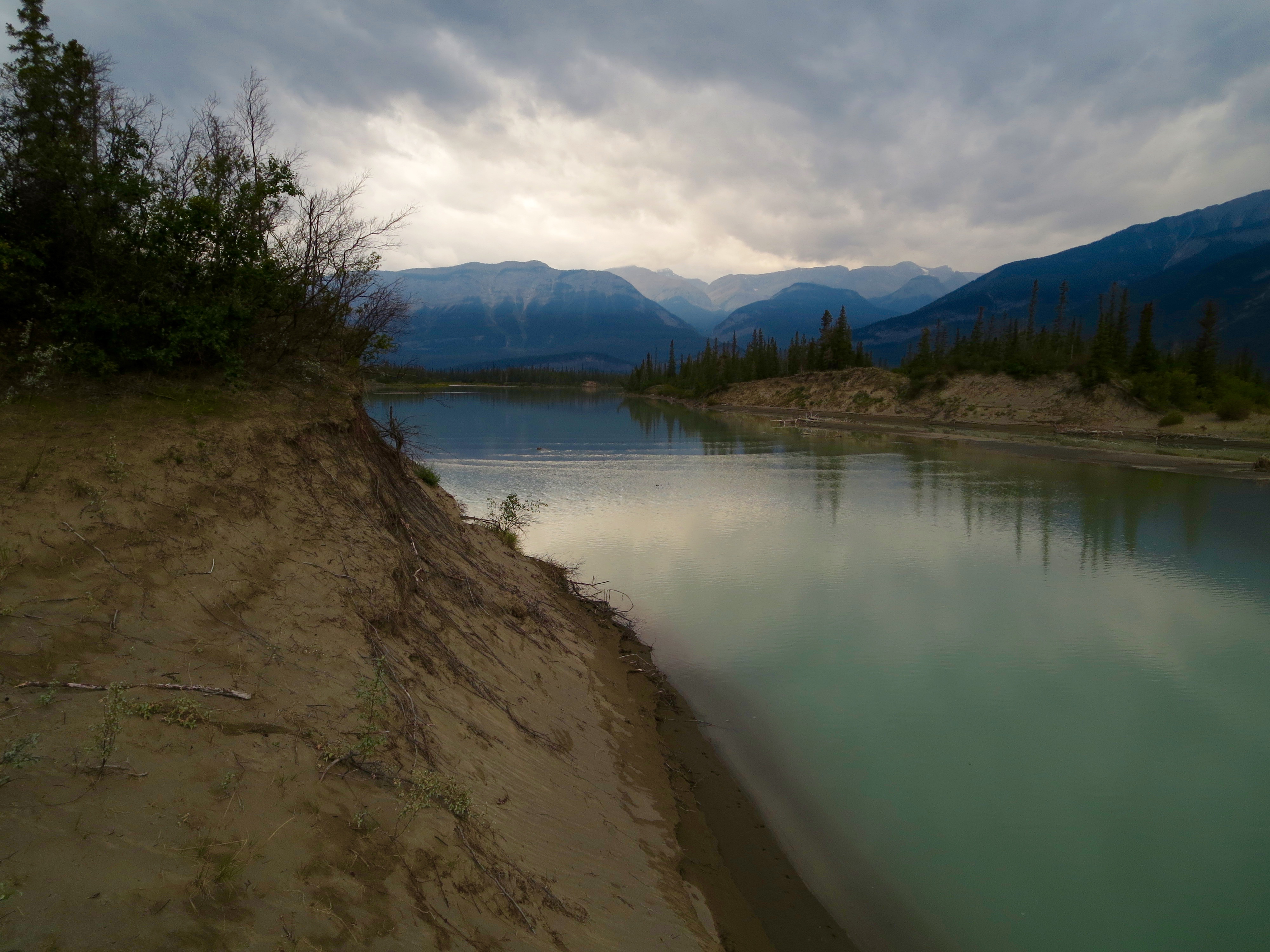
9. Don’t head out unless someone in your group knows how to steer and navigate the obstacles that present themselves in a mountain river. We got lucky because our friends happen to be avid canoers so all we had to worry about was paddling and following orders in the canoe. If you don’t have awesome friends like ours, take a canoe course and learn how to navigate using map/compass or GPS.
10. Bring a camera and take advantage of the cool perspective that you can only get from floating down a river. The mountains that you normally drive by are going to look different. The reflections in the water will have you looking at the trees in a new light. And the best part? Wildlife that hasn’t fled because of the sound of your footprints or car. We were lucky enough to see a bald eagle on Jasper Lake as we silently paddled by.

I hope these tips are helpful and if you decide to do a canoe trip, I would strongly recommend the Athabasca River from Jasper to Hinton. Despite having to paddle through two lakes with a LOT of sandbars to navigate, and almost being stranded due to a windstorm, this 95km paddle was full of amazing views, wildlife and serenity. I hope to see you out there next time!
 Trail to City